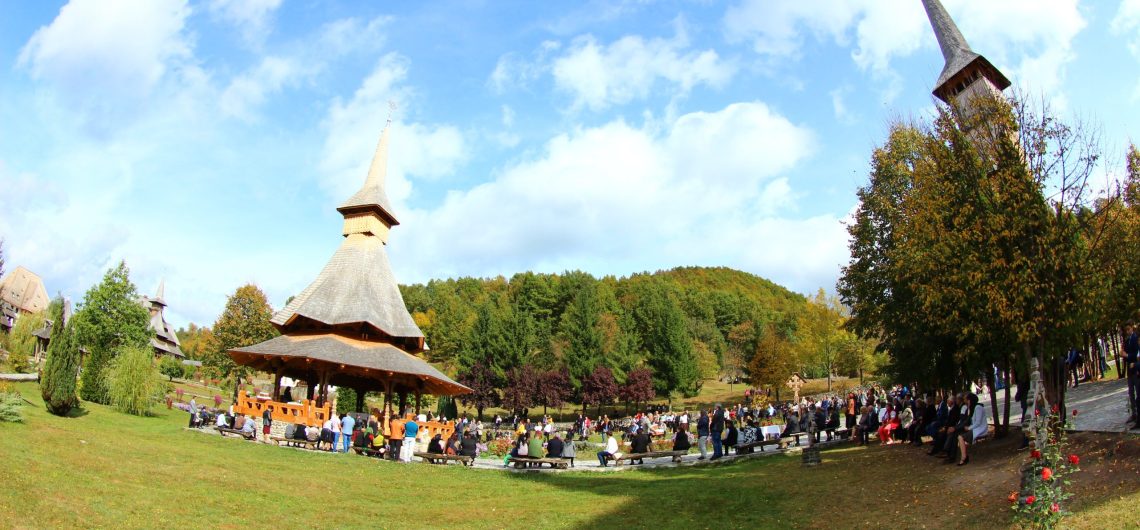
In the far reaches of northern Romania, where forested hills roll gently under heavy skies and wooden gates creak softly in the breeze, there stands a series of churches unlike any in the world. Built of timber and time, the Wooden Churches of Maramureș are not merely historical landmarks—they are expressions of faith carved in silence, devotion, and oak. Recognized by UNESCO for their spiritual and cultural value, these hand-built sanctuaries reflect a deep-rooted Orthodox tradition shaped by village life and centuries of resilience. Their tall spires, shingled roofs, and vividly painted interiors whisper stories of a people who preserved their identity through art, prayer, and craftsmanship—long after empires tried to silence them. This article explores the rich legacy of these churches, from their historical context and symbolic design to the most remarkable sites to visit on a private tour of Romania. Along the way, you’ll discover how Maramureș offers more than heritage—it offers living tradition, enduring hospitality, and a glimpse of a world that still moves by soul, not speed. If you’re seeking a deeper cultural experience beyond castles and cities, this is the story Romania tells best—with wood, paint, and generations of belief. What Are the Wooden Churches of Maramureș? In the heart of northern Romania, where the Carpathian hills cradle sun-dappled valleys and folklore still echoes in everyday life, stand some of Europe’s most remarkable wooden structures. The Wooden Churches of Maramureș are not grand in size, but in meaning, detail, and legacy—they are monumental. Built between the 17th and 19th centuries using nothing but wood, nails, and tradition, these churches reflect the resilience and artistry of the Romanian people under Austro-Hungarian rule. At a time when Orthodox Romanians were prohibited from building stone churches, the locals turned to timber—their most abundant and symbolic material. What they
In the far reaches of northern Romania, where forested hills roll gently under heavy skies and wooden gates creak softly in the breeze, there stands a series of churches unlike any in the world. Built of timber and time, the Wooden Churches of Maramureș are not merely historical landmarks—they are
Romania is a treasure trove of history, nature, and culture, boasting 11 UNESCO World Heritage Sites that reflect its diverse and fascinating heritage. From the medieval fortresses of Transylvania to the serene Painted Monasteries of Bucovina, Romania’s UNESCO landmarks stand as testaments to centuries of craftsmanship, resilience, and artistic mastery. These sites are not only recognized for their historical and architectural significance but also for the rich legends and folklore that surround them, creating a unique blend of fact and myth that captivates travelers. Whether you’re exploring the ancient Dacian fortresses, wandering through the charming villages with fortified churches, or standing in awe of Brâncuși’s modern masterpieces, Romania’s UNESCO sites promise an unforgettable journey through time. Each site tells its own story, shaped by nature, spirituality, and human ingenuity. In this complete travel guide, we’ll take you on a journey to discover Romania’s UNESCO-listed treasures: The Danube Delta, a haven of biodiversity. The stunning Painted Monasteries of Bucovina, adorned with vibrant frescoes. The mysterious Dacian Fortresses of the Orăștie Mountains. The Villages with Fortified Churches of Transylvania, where history and defense meet. The Wooden Churches of Maramureș, masterpieces of rural architecture. The artistic brilliance of the Brâncuși Monumental Ensemble in Târgu Jiu. And many more breathtaking sites, from natural wonders to cultural landmarks. Immerse yourself in the beauty of Romania, where history meets myth, and discover why these UNESCO World Heritage Sites are must-see destinations for travelers and culture enthusiasts alike. Let this guide be your companion as you explore Romania’s remarkable heritage, experience its timeless charm, and uncover the stories waiting to be told. The Painted Monasteries of Bucovina The Painted Monasteries of Bucovina, located in Northern Romania, are some of Europe’s most treasured examples of religious art and architecture. Built primarily during the 15th and 16th centuries under
Romania is a treasure trove of history, nature, and culture, boasting 11 UNESCO World Heritage Sites that reflect its diverse and fascinating heritage. From the medieval fortresses of Transylvania to the serene Painted Monasteries of Bucovina, Romania’s UNESCO landmarks stand as testaments to centuries of craftsmanship, resilience, and artistic mastery.
Early Booking Rates for you private tour in Romania. Enquire now!